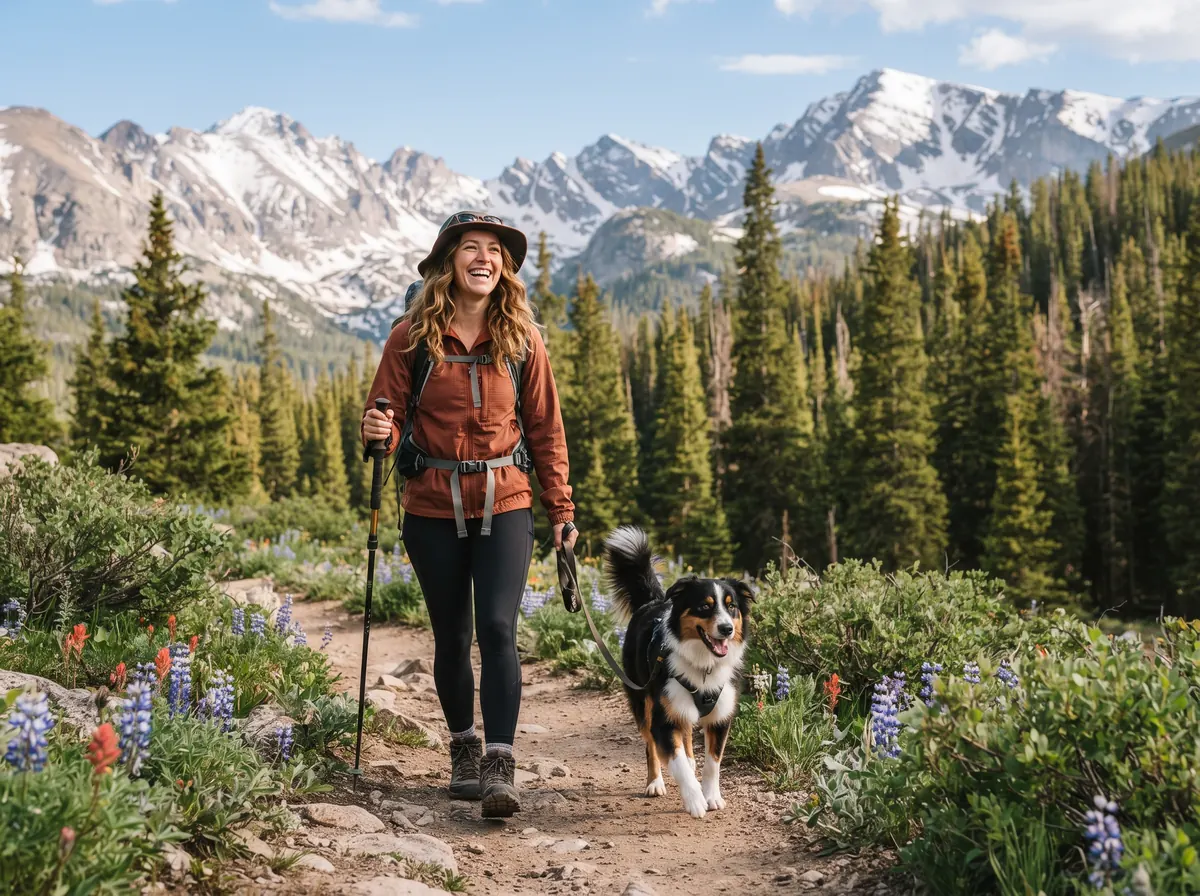
Colorado is one of the pricier states to insure a pet: in 2026, plan on roughly $72/month for a dog and $37/month for a cat for accident-and-illness coverage — about about 3% above the national average. (Compare all 50 states.) An active, outdoorsy dog culture and higher vet costs are part of it — and so are Colorado's outdoor risks: rattlesnakes, barbed foxtails and cheatgrass, and the dry, high-altitude climate. Here's the full breakdown.
| Provider | Best for | |
|---|---|---|
| Embrace | Diminishing deductible + dental cover | Check price from Embrace (opens in a new tab) |
| Spot | Customizable plans, no upper age limit | Check price from Spot (opens in a new tab) |
| Lemonade | Low starting prices & fast app claims | Read review of Lemonade |
Colorado dog plans start around $16/mo (accident-only) and $72/mo (accident + illness). Checking your price takes about 2 minutes. See all top providers ↓
📍 In Colorado: prioritize a plan that covers foreign-body removal (foxtails) and rattlesnake antivenin as accidents — those are the high-cost claims most likely to hit an active Colorado dog.
How much does pet insurance cost in Colorado?
Accident-only plans sit well below the averages; comprehensive plans with a low deductible and 90% reimbursement sit above them. Typical 2026 Colorado ranges:
| Coverage type | Dogs (CO/mo) | Cats (CO/mo) |
|---|---|---|
| Accident-only | $16 | $10 |
| Accident + illness (most common) | $72 | $37 |
| Comprehensive (low deductible, 90%) | $121 | $74 |
Two factors move your quote more than anything else in Colorado:
- Breed. Small mixed breeds sit near the bottom of the range; large, active breeds prone to joint issues sit at the top — and Colorado's hiking-and-trail dog culture means more foxtail and orthopedic claims.
- ZIP code. Denver and Boulder carry the state's highest vet overhead, followed by Colorado Springs; the Western Slope and rural counties are more affordable. See the breakdown below.
Does pet insurance cost more in some parts of Colorado?
No public dataset prices pet insurance below state level. The BEA does publish separate price parities for the metropolitan and non-metropolitan portion of each state, but 20 of the 47 states it splits carry identical values for both portions, which tells you how those estimates are produced rather than what pets actually cost to insure. So we publish one modelled figure for Colorado, $72/month for a dog, and no city or metro breakdown we cannot stand behind. Inside Colorado, your pet's breed and age, your deductible and your reimbursement rate move the quote far more than your address does.
One thing worth knowing whichever part of the state you are in: because insurance reimburses a percentage of the actual bill rather than a fixed sum, a higher local vet invoice is met with a higher reimbursement. The coverage maths does not break down in expensive areas.
Best pet insurance companies in Colorado
Five picks, one per need, listed by our overall score (how we rate). Not every insurer sells in every state, so check availability on the insurer's site. Some insurer links on our site, including Get Quote buttons in comparison tables, may pay us a fixed referral fee when you request a quote, at no extra cost to you. Advertiser disclosure.
| Provider | Best for | Reimbursement | |
|---|---|---|---|
| Embrace | Diminishing deductible & dental coverage | up to 90% | Get Quote from Embrace (opens in a new tab) |
| Spot | Customizable plans & no upper age limits | up to 90% | Get Quote from Spot (opens in a new tab) |
| Lemonade | Low starting prices & fast app claims | up to 90% | Read review of Lemonade |
| Fetch | Broad coverage incl. sick-visit exam fees | up to 90% | Get Quote from Fetch (opens in a new tab) |
| Pumpkin | Strong coverage for older pets | up to 90% | Get Quote from Pumpkin (opens in a new tab) |
Compare live quotes for your ZIP and breed. In Colorado, check that foreign-body (foxtail) removal and snakebite/antivenin are covered as accidents — those are the claims most likely to hit an active Colorado dog.
Pet health risks specific to Colorado
Colorado's outdoor lifestyle and dry climate create risks worth insuring against. These drive the claims Colorado owners actually file:
- Rattlesnake bites. Prairie rattlesnakes are found across much of the state, especially on the plains and foothills trails. A bite is an emergency; antivenin and hospitalization run into the thousands and are covered as accidents.
- Foxtails and cheatgrass. These barbed grass awns are everywhere in Colorado's dry season — they burrow into paws, ears, noses and eyes and often need sedation and surgical removal. One of the most common Colorado accident claims.
- Cold, altitude and frostbite. High-country cold snaps bring frostbite and hypothermia risk, and rapid altitude changes can stress unacclimated dogs on mountain trips.
- Dry-climate dehydration and heat. Low humidity and intense sun at altitude make dehydration and heat stress real risks for active dogs.
- Plague and wildlife exposure. Rare but real in Colorado, plague (spread by prairie-dog fleas) is a serious illness; wildfire smoke is another periodic hazard for pets' lungs.
Because a snakebite or a migrating foxtail can mean sudden, expensive surgery, a plan with a strong annual limit and no related exclusions is worth prioritizing in Colorado.
Colorado pet insurance — good to know
- No provider networks. Pet insurance in Colorado works as reimbursement — use any licensed veterinarian, including specialty and 24/7 emergency hospitals. You pay the vet, then the insurer reimburses your covered percentage.
- Waiting periods apply. Most policies have a short waiting period for accidents and a longer one for illnesses (often a separate one for cruciate/orthopedic issues). Enroll before a problem starts — pre-existing conditions are excluded.
- Regulation. Pet insurance in Colorado is overseen by the Colorado Division of Insurance, your escalation path for a dispute. We're an independent comparison site, not an insurer or licensed agent — see our disclosure below.
Frequently Asked Questions
Is pet insurance worth it in Colorado?
For most Colorado owners, yes. Vet costs run about 3% above the national average, and an active outdoor lifestyle means foxtail surgery, snakebites and trail injuries are elevated risks — any one can exceed a year of premiums.
What's the cheapest pet insurance in Colorado?
Accident-only plans start lowest (around $16/mo for dogs) and cover snakebites and trail injuries, but accident-and-illness adds disease coverage for a modest increase. Compare quotes for your ZIP.
Does pet insurance cover foxtails and snakebites in Colorado?
Yes — foreign-body (foxtail) removal and snakebite treatment are covered as accidents on comprehensive and accident-and-illness plans, as long as the policy is active and it isn't pre-existing.
Can I use any vet in Colorado?
Yes — pet insurance has no networks, so you can visit any licensed veterinarian in Colorado, including specialty and emergency hospitals.
Related: All states · New Mexico · Utah · Arizona · Kansas · Nebraska
Guides: Is pet insurance worth it? · Does it cover surgery? · Average cost by state · Compare top companies